Westminster Council rules for Soho waste and rubbish disposal
Posted on 13/10/2026
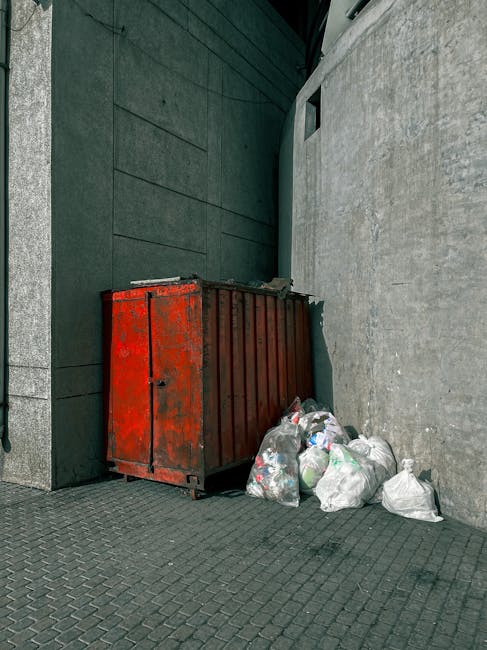
If you manage rubbish in Soho, you already know it is rarely as simple as putting bags outside and hoping for the best. The streets are busy, collections need to be timed carefully, and the rules around Westminster Council waste and rubbish disposal can catch people out fast. Whether you are a flat owner, tenant, landlord, shopkeeper, office manager, or overseeing a refurbishment, getting this right saves time, avoids complaints, and keeps your premises looking presentable. In a place like Soho, where a missed bin day can turn into an awkward mess by lunchtime, a clear plan matters more than people think.
This guide explains the practical side of Westminster Council rules for Soho waste and rubbish disposal in plain English. You will learn how the system generally works, what tends to go wrong, how to stay on the right side of local expectations, and when it makes sense to use a professional service. Let's make it simple.
Why Westminster Council rules for Soho waste and rubbish disposal Matters
Soho is not a quiet residential suburb where a missed bin can wait another day without anyone noticing. It is dense, active, and always moving. Bags left too early, bins left in the wrong place, or bulky waste dumped at the kerb can quickly become a problem for neighbours, passers-by, business owners, and building managers. In practical terms, the rules exist to keep streets usable and reduce mess, smells, and pests.
There is also a wider point. Waste handling in Westminster affects more than the person who created the rubbish. One overflowing black sack outside a restaurant, office, or flat can become somebody else's headache by the time the morning rush starts. And yes, in Soho that can happen quickly. The sound of bottles being dragged into collection points at 6 a.m. is part of the landscape, but so is the frustration when waste is left carelessly where it blocks pavements or attracts complaints.
For businesses especially, following the rules is part of looking competent. A tidy frontage says a lot. A pile of cardboard leaning into the street says something else entirely. You do not need to be obsessive about it, just consistent. Consistency is doing a lot of heavy lifting here.
There is another reason this matters: waste in central London is often under more pressure than people expect. Shared bins fill up faster, storage space is tight, and collections need cooperation from everyone involved. If you are not clear on the council's expectations, it is easy to make a small mistake that becomes a repeat issue.
How Westminster Council rules for Soho waste and rubbish disposal Works
At a basic level, the system is about separating different types of waste, storing them safely, and presenting them for collection in the right way and at the right time. That sounds straightforward, but Soho properties rarely have the luxury of large bin stores or easy access from the street. So the details matter.
Most households and businesses in Soho will need to think about three things:
- What waste you have - general rubbish, recycling, food waste, bulky items, or trade waste.
- How it should be stored - in bins, sacks, containers, or a dedicated waste area.
- When and where it should be put out - collection arrangements can vary depending on the property and the waste type.
That is the skeleton of it. The flesh on the bones is where people get caught out. For example, if a building has shared bins, everyone needs to use them properly. If a business generates commercial waste, it usually needs arrangements that are separate from domestic household disposal. If you have bulky items, building waste, or a one-off clearance, the normal kerbside approach is often not suitable.
Many readers ask, "Can't I just leave everything out neatly and assume it will be collected?" Truth be told, that is exactly how minor problems start. Waste has to be presented in a way that matches local collection expectations. Miss that, and the bags may sit there longer than you want. Not ideal on a warm day, especially when Soho is busy and the pavements are already working hard.
In some cases, it helps to use a specialist local service for loads that do not fit routine council collections. If you are looking at a mixed clearance or frequent removal needs, a page like waste removal in Soho or a more targeted service such as rubbish collection in Soho may be relevant, depending on the material and volume involved.
Key Benefits and Practical Advantages
Following the local rules properly is not just about avoiding hassle. There are some very real day-to-day advantages.
- Cleaner premises - waste is less likely to spill, blow around, or create odours.
- Lower risk of complaints - neighbours, landlords, visitors, and customers notice when waste is handled well.
- Better presentation - particularly important for shops, offices, restaurants, and hospitality venues.
- Less time lost - you spend less time chasing collections, re-bagging rubbish, or moving items twice.
- Reduced compliance risk - especially where trade waste, bulky items, or renovation debris are involved.
There is a quieter benefit too: better planning usually means fewer emergencies. Anyone who has tried to sort out waste the same day as a viewing, stock delivery, or client visit knows the scramble. One small bin issue can interrupt the whole morning. Not dramatic, just annoying. And in Soho, annoyance scales up fast.
For commercial spaces, waste control also supports smoother operations. Staff are less likely to guess where things go, which means fewer contamination errors in recycling and fewer piles of cardboard in the wrong place. If your building has multiple occupants, that can make a noticeable difference.
Who This Is For and When It Makes Sense
Westminster Council rules for Soho waste and rubbish disposal are relevant to more people than you might expect. It is not only landlords or large businesses who need to pay attention.
- Residents in flats, shared houses, mansion blocks, and mixed-use buildings.
- Landlords and managing agents who are responsible for bin arrangements or tenant guidance.
- Restaurants, cafes, bars, and shops that generate recurring waste.
- Offices with paper, packaging, and occasional clear-outs.
- Builders and contractors handling renovation debris or fit-out waste.
- Anyone downsizing, moving, or clearing a property and facing more rubbish than a normal weekly collection can handle.
It makes sense to pay close attention when the waste is:
- bulky or awkward to carry
- mixed with recyclable material
- from a business rather than a home
- created during a refurbishment or move
- likely to sit on the street for any length of time
In our experience, the people who struggle most are not the ones producing the most rubbish. They are the ones who do not have a clear system. A small office with four people can create chaos if nobody knows where packaging, printer waste, or old chairs should go.
Step-by-Step Guidance
If you want a practical way to handle Soho waste without making life harder than it needs to be, follow this sequence.
- Identify the waste type. Separate household rubbish, recycling, food waste, bulky items, and trade waste as early as possible. Do not wait until the bags are already piled up by the door.
- Check who is responsible. In flats or managed properties, the duty may sit with the resident, landlord, concierge, or managing agent. In businesses, it is usually a company responsibility to arrange suitable disposal.
- Use the right containers. Bags, bins, and secure containers all serve different purposes. Broken bags and loose waste create obvious problems very quickly.
- Store waste safely. Keep it away from entrances, fire exits, shared corridors, and areas where it can be accessed by pests or blown into the street.
- Present it properly for collection. Follow local timing and placement expectations. If collection times are limited, put items out as late as is reasonably possible.
- Arrange special removal when needed. For bulky items or one-off loads, do not force the job into a standard collection system that was never designed for it.
- Review the setup after one week. If waste is regularly overflowing, being contaminated, or attracting complaints, the system needs adjusting.
A small practical tip: label bins clearly if more than one person uses them. It sounds basic, almost laughably basic, but it prevents a surprising amount of mess. People follow labels more reliably than assumptions. Mostly.
If you are dealing with a larger quantity or a mixed load, a clearance service may be easier than juggling multiple trips. For households, house clearance in Soho can help with full or partial clear-outs. For workplace moves, office clearance in Soho is often the more practical route.
Expert Tips for Better Results
Good waste management in Soho is less about heroic effort and more about small, disciplined habits. Here are the things that usually make the biggest difference.
- Keep recycling clean. Mixed contamination can make simple recycling loads harder to handle. A greasy box in the wrong pile can spoil the batch for no good reason.
- Flatten cardboard early. In tight bin stores, cardboard volumes build up fast. Flattening makes storage far more efficient.
- Schedule clear-outs before pressure points. If you know a move, refit, event, or stock change is coming, book collection before the pile becomes urgent.
- Use the smallest sensible container. Oversized sacks are harder to manage in narrow Soho streets and shared spaces.
- Keep hazardous items separate. Things like chemicals, sharps, or electrical items need more care than normal rubbish.
Another thing we see all the time: people store waste in the only available place, then forget that the "temporary" spot becomes permanent by Tuesday. If it is in the way, it will stay in the way. That's just life, really.
If sustainability matters to your household or business, it is worth reviewing how much of your waste can be reused, recycled, or reduced before it even becomes a disposal job. A useful starting point is recycling and sustainability guidance, especially if you are trying to build better habits rather than just solve one-off problems.

Common Mistakes to Avoid
Most waste issues in Soho are not caused by wild negligence. They usually come from a handful of very ordinary mistakes. Easy to make, easy to fix once you spot them.
- Putting waste out too early. This can lead to bags being torn open, moved, or simply left looking messy for too long.
- Mixing business and household waste. The rules and expectations are not always the same, and that mix-up can create problems.
- Leaving bulky items on the pavement. Furniture, white goods, and renovation debris usually need a specific removal plan.
- Overfilling bins. Once lids will not close properly, the whole area tends to deteriorate fast.
- Ignoring access issues. If crews cannot safely reach the waste, it may not be collected as expected.
- Assuming someone else will handle it. In shared buildings, this is a classic source of tension.
One subtle mistake is poor communication. A landlord may think the tenant knows the routine, the tenant assumes the cleaner knows, and the cleaner assumes the porter sorted it. Then a pile sits there all weekend. Nobody intended it, but there it is. The fix is boring and effective: assign responsibility clearly.
Tools, Resources and Recommendations
You do not need a complicated system to manage Soho rubbish properly. A few practical tools go a long way.
| Tool or approach | Best for | Why it helps |
|---|---|---|
| Clearly labelled bins | Flats, offices, mixed-use buildings | Reduces sorting mistakes and keeps users on the same page |
| Small waste audit | Businesses and landlords | Shows which waste streams are creating most of the volume |
| Scheduled collection plan | Regular commercial waste | Prevents ad hoc overflow and last-minute panic |
| Dedicated clearance service | Moves, refurbishments, bulky waste | Handles unusual loads that routine collections may not take |
| Reusable sack or container system | Busy premises with recurring waste | Improves order and cuts down on loose bags |
If you are comparing options, it helps to look at both cost and convenience. The cheapest route is not always the cheapest in the real world if it creates staff time, complaints, or repeat sorting. A slightly better system can save a surprising amount of effort over a month.
For service planning, the main site pages for services overview, pricing and quotes, and about us may also help if you want to understand how a professional disposal provider structures its work and what to expect before booking anything.
Law, Compliance, Standards, or Best Practice
Waste disposal is one of those areas where the line between everyday housekeeping and compliance can blur quickly. For domestic waste, the expectation is generally simple: store it properly, present it appropriately, and do not obstruct public space. For commercial waste, the standards become more demanding because the responsibility sits with the business to ensure disposal is handled lawfully and suitably.
Best practice usually means:
- keeping waste secure and contained
- separating recyclable material where appropriate
- avoiding hazardous mixing
- ensuring waste is collected by suitable arrangements
- keeping communal areas and pavements clear
If you are producing trade waste, building waste, or anything potentially controlled, it is sensible to take extra care with record-keeping, contractor selection, and waste transfer arrangements where relevant. The exact requirements can vary depending on the material and use case, so this is one of those areas where cautious, informed practice is better than guessing. Nobody wins by guessing. Not even a little.
In practical terms, the safest approach is to treat waste as an operational responsibility, not an afterthought. That mindset alone prevents many issues. For renovation-heavy jobs, a dedicated route such as builders waste disposal in Soho can be much more suitable than trying to force everything through the wrong channel.
Options, Methods, or Comparison Table
Different waste problems call for different solutions. The right method depends on volume, timing, access, and whether the material is domestic, commercial, or construction-related.
| Method | Best for | Main advantage | Main drawback |
|---|---|---|---|
| Routine council-style disposal | Normal household waste and standard recycling | Simple and familiar | Limited flexibility for bulky or mixed loads |
| Commercial waste arrangement | Shops, offices, hospitality venues | Built for regular business output | Needs organisation and clear responsibility |
| One-off rubbish collection | Short-term spikes, clear-outs, clutter | Fast and convenient | May cost more than routine disposal |
| Full clearance service | Moves, voids, refurbishments, large declutters | Handles large, mixed or awkward loads | Usually more involved to arrange |
So which one is best? That depends on the shape of the problem. If you are dealing with a couple of bags, routine disposal may be enough. If you are clearing an office after a lease end, you are probably in different territory entirely. This is where the right service saves time, and a little sanity too.
Case Study or Real-World Example
A small Soho office recently faced the familiar problem of "just a few things" turning into a proper clearance job. First it was some old files. Then a broken desk. Then three awkward chairs, boxes of packaging, and a pile of items nobody had the time to sort. By the end of the week, the storage area looked like a narrow corridor had swallowed a stationery shop.
The team initially assumed they could stagger disposal over several council-style collections. In practice, access was tight, the load was mixed, and staff were wasting time trying to separate what should have been removed together. The cleaner kept moving bags out of the way. The office manager kept saying, "I'll deal with it tomorrow." You can guess the rest.
Once they switched to a planned office clearance approach, the whole thing became simpler: items were grouped, the route through the building was checked, and the waste was removed in one go. The difference was not glamorous, just efficient. The office looked better, the staff stopped tripping over boxes, and the problem did not keep resurfacing every other day.
That is often the real lesson with Soho waste. The best solution is not necessarily the most dramatic one. It is the one that fits the building, the volume, and the pace of life around it.
Practical Checklist
Use this quick checklist before any collection, clear-out, or disposal job in Soho.
- Have you identified the waste type correctly?
- Is the waste separated into recyclable, general, bulky, or trade streams?
- Do you know who is responsible for putting it out or arranging pickup?
- Are the bins, sacks, or containers in good condition?
- Will the waste be stored safely and away from public obstruction?
- Is the timing right so it is not sitting outside longer than needed?
- Have you checked whether the load needs a specialist clearance?
- Is the access route clear for collection?
- Have neighbours, staff, or building users been told what is happening?
- Do you have a fallback plan if the waste turns out to be larger than expected?
If you can tick most of those off, you are in much better shape already. That's the boring part done, which is usually the part that prevents headaches later.
Get a free quote today and see how much you can save.
Conclusion
Westminster Council rules for Soho waste and rubbish disposal are really about keeping a very busy neighbourhood manageable. Once you understand the basics, the job becomes much easier: sort waste properly, store it sensibly, present it at the right time, and use specialist help when the load is too much for routine disposal. Simple, but not always easy.
The good news is that a few steady habits can make a real difference. Label things clearly, do not leave waste to gather, and choose the disposal method that matches the actual problem rather than the ideal one in your head. That alone solves a lot of issues before they start. And in Soho, a tidy street and a calm schedule are worth a lot.
Handle it once, handle it well, and the whole place feels lighter. That's the aim, really.


Copyright © . House Clearance Soho. All Rights Reserved.